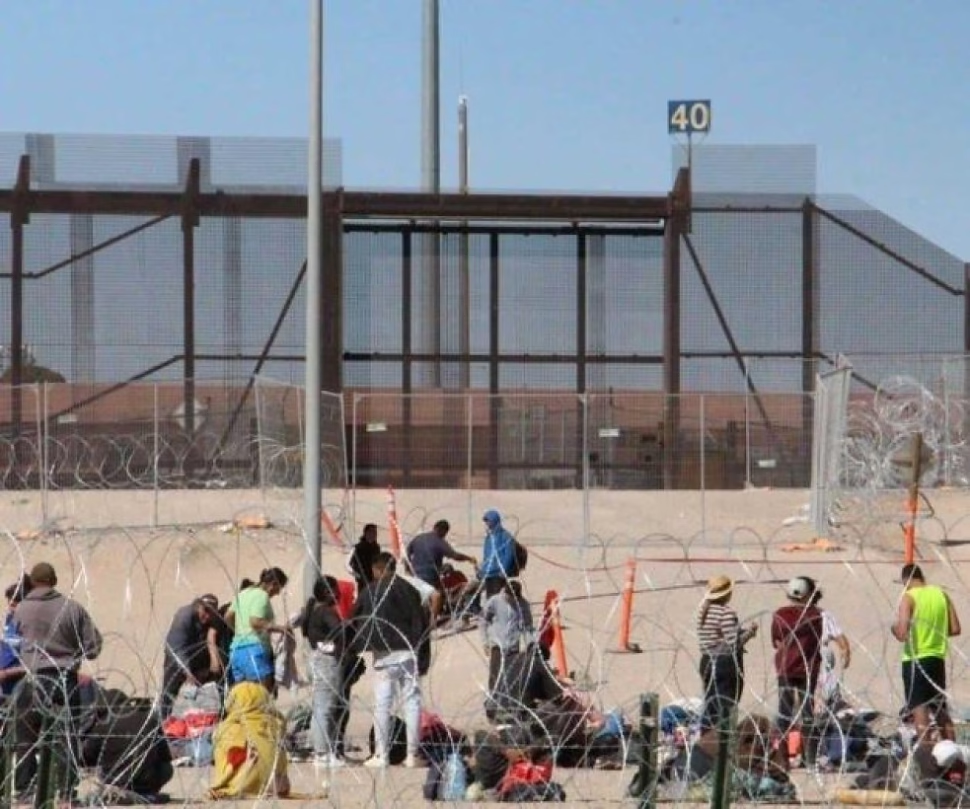
Significant decrease in immigration detentions
The official figures from the Migration Policy Unit (UPM) of the Ministry of the Interior reveal a reduction of 77% in the arrests of people in an irregular immigration situation during the first four months of 2024, compared to the same period of the previous year. This data contrasts markedly with the historical record of more than 1.2 million events recorded in 2023, where 465,191 cases were recorded between January and April alone.
Comparison with the United States and geographical distribution
The decrease in Mexico, although significant, is slightly less than that experienced on the southern border of the United States, where arrests fell by 87%. However, the total number of people intercepted in Mexican territory (108,489) exceeded that of its northern neighbor (96,210). Domestically, Tabasco concentrated 62% of the cases, followed by Chiapas with 22%, key regions on migratory routes.
Immigration profile and administrative procedures
Venezuelan citizens represented 25.9% of the total, leading the list of nationalities, followed by Colombians (8.2%) and Ecuadorians (7.6%). Of the total number of detainees, 81.8% were classified as “presented” before the National Migration Institute (INM), while the rest—mainly minors and families—were referred to shelters of the DIF Network. Among the latter, 7,578 children under 12 years of age stand out, including 47 who were traveling unaccompanied.
Returns and legal alternatives
The UPM reported 3,970 deportations or “assisted returns”, with Honduras (2,200) and Guatemala (1,007) as the main destinations. The majority of those not deported (88%) were issued a “exit notice”, giving them 30 days to leave the country. Only 1% obtained immigration regularization or refugee status, and the absence of cards for humanitarian reasons was observed, a mechanism previously used to legalize temporary stays.
Are you interested in understanding the causes behind this migratory trend? Share this analysis on your social networks and discover more content on global policies on our portal.
Source: Official statistics from the Ministry of the Interior (UPM). Data processed for analytical context.