A New Energy Model for Mexico
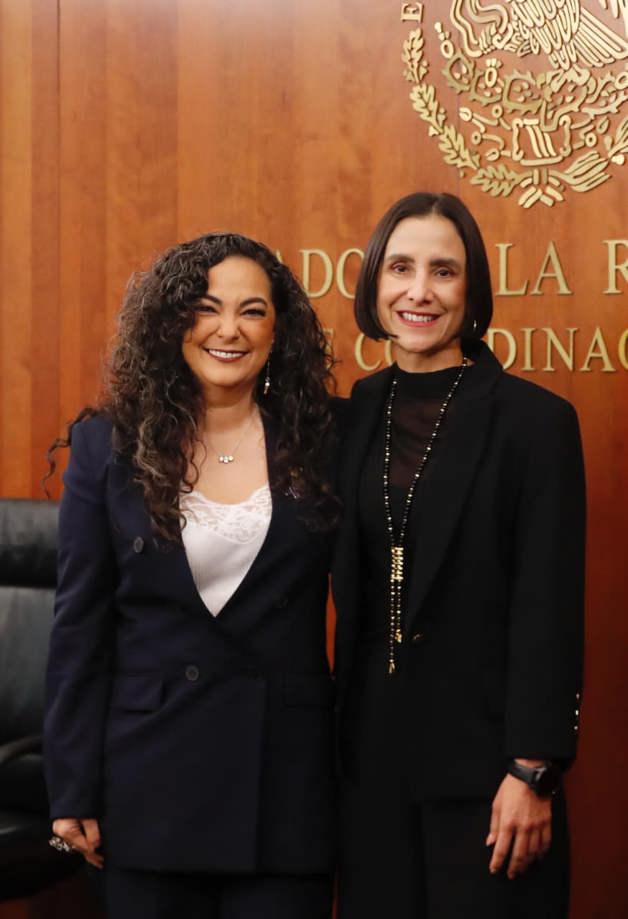
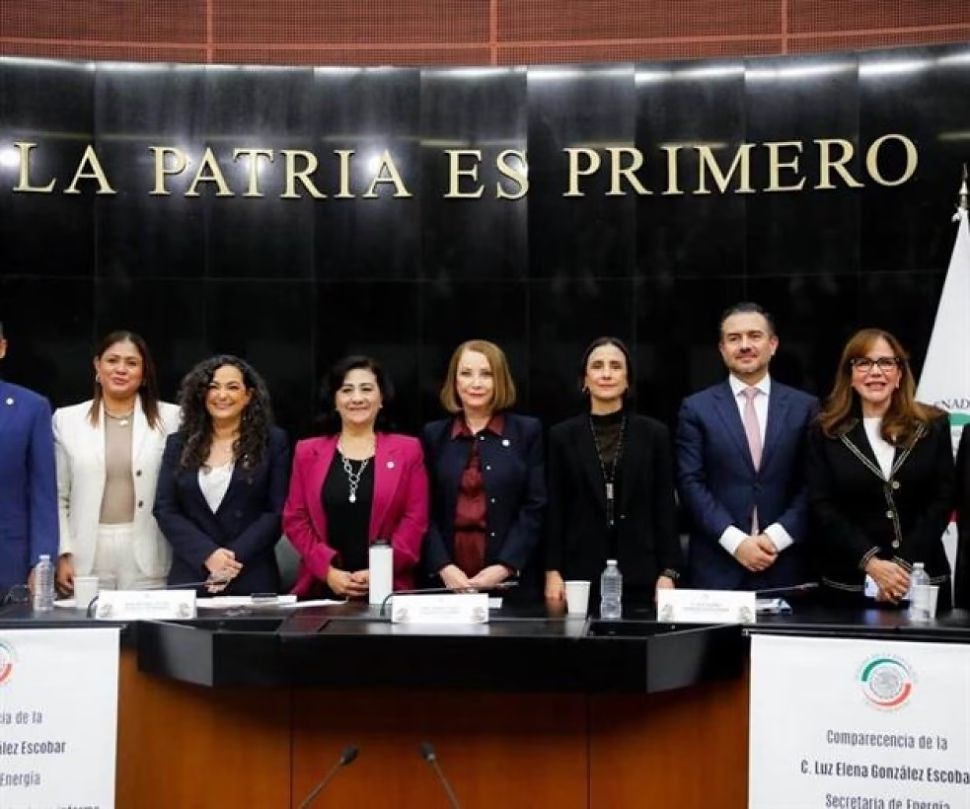
In the context of the First Government Report of President Claudia Sheinbaum Pardo, the Secretary of Energy, Luz Elena González, appeared before the Senate of the Republic to detail the progress in national energy policy. During his speech, he highlighted the comprehensive recovery of the strategic role of the State in the management of public companies Pemex and the CFE. This institutional strengthening is essential to accelerate the transition towards clean sources and consolidate Mexico’s energy sovereignty, all under a paradigm of energy justice that prioritizes universal access.
The senator for Tamaulipas, Olga Sosa Ruíz, publicly recognized the technical work and sensitivity of the head of the Ministry of Energy. He highlighted that the current administration, under the leadership of Sheinbaum Pardo, has given continuity to a nation project based on sovereignty, sustainability and social justice. “Talking about energy justice is talking about dignity and also well-being“, stated the legislator, emphasizing the transformative nature of this public policy.
Legal Framework and Investments for the Future
From the Upper House, work has been done on the construction of the legal framework that supports this new energy model. In this scheme, energy justice is not conceived as a slogan, but as one of its deepest and most transformative pillars. Secretary González defined that, thanks to meticulous planning, public and private investments are promoting economic development and social well-being. The primary objective is to ensure that energy is a universal right and accessible, not a privilege for a few.
In the electricity sector, the data is conclusive: the CFE provides 54% of the energy at the national level. The expansion plan includes an investment of 17,321 million dollars for the construction of 51 generation projects. These projects encompass a diversified portfolio of technologies, including photovoltaic, wind, solar thermal, hydrosolar, hydroelectric, combined cycle and internal combustion, demonstrating a commitment to a balanced and resilient energy mix.
On the hydrocarbon side, at Pemex they have managed to reduce financial losses by 90%, an operational and administrative achievement that has allowed to improve the credit classification of the State productive company. The Pemex 2025-2035 Plan not only focuses on extraction, but also contemplates the strategic recovery of the petrochemical and fertilizer industry, in addition to increasing refining capacity to produce a greater number of barrels of oil per day in Mexican territory, strengthening self-sufficiency.
Combat Illegal Crimes and Benefits for Families
Senator Sosa Ruíz also addressed, from the perspective of her state, Tamaulipas, the importance of coordination between the federation and the entities. He valued the work of the Federal Government to deploy technology, intelligence and inter-institutional coordination in the fight against clandestine seizures, a scourge that affects the economy and national security. Likewise, he highlighted the measures implemented to support the family economy, such as the determination of maximum prices for gasoline, a direct action that mitigates inflationary pressure on citizens.
On behalf of the Morena parliamentary group, the senator recognized the unwavering commitment and the long-term vision of the Secretary of Energy. This vision is crucial to continue advancing the country’s energy viability, ensuring that Mexico has a robust, clean and, above all, fair energy system. The transformation of the sector is not only a matter of infrastructure, but a pillar for national development with equity.
Do you think this strategy is valuable for Mexico’s energy future? Share this analysis on your social networks and help us spread these advances. Explore more content related to sustainability and economic policy on our portal to stay informed.