A life marked by hospitals, a fight that could change Mexico
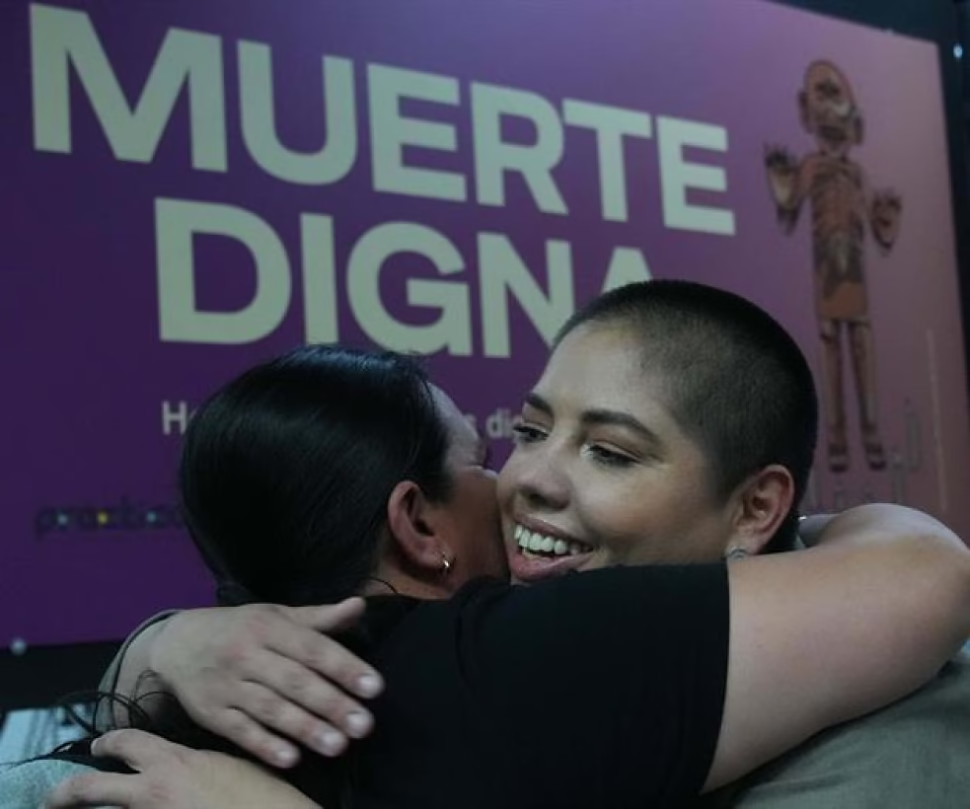
Samara Martínez was 17 years old when her world stopped. The first signs of end-stage kidney disease appeared and, since then, her life has been an endless cycle: chemotherapy, transplants, dialysis. More than a decade later, at 31, he has turned that personal pain into something bigger.
Their battle is no longer just medical—it is political.
From patient to activist: the birth of the Trinciende Law
Martínez shares his experience with half a million followers on social networks. It’s not just relief. It’s strategy. It is social pressure converted into legislative force. This pressure crystallized in the ‘Transciende Law’ initiative, presented in 2025.
“I would never have thought of doing this fight if I hadn’t had to go through everything I’ve already been through. And then I find purpose,” Martínez confesses.
The proposal is clear: adults of legal age could request the procedure. It includes conscientious objection for health workers and obliges public institutions to provide it when requested. It redefines euthanasia not as surrender, but as a voluntary medical act linked to dignity.
The testimony that broke taboos
Legislators like Patricia Mercado recognize the impact. Martínez’s raw account—the constant hospitalizations, the personal losses, the economic challenges—has done the impossible: put on the table an issue that for years was untouchable in Congress.
But the road is full of obstacles. Conservative and religious sectors, including the Catholic Church, frontally reject legalization. Groups such as the National Front for the Family defend ‘life from conception to old age’.
Not everyone in the religious sphere is against it.
Some voices, such as priest Héctor Reyes and the organization For the Right to Die with Dignity, support his position. They highlight the importance of palliative care and—crucially—of respecting the patient’s autonomy until the last moment.
While studying in Chihuahua and participating in conversations, Martínez continues to forge alliances with academics and politicians. Their struggle demonstrates something profound: sometimes, the greatest change comes not from speeches on the platform, but from the unstoppable testimony of someone who has lived firsthand what it means to have no options.