The Ecological Importance of Hummingbirds and the Risks of Artificial Food
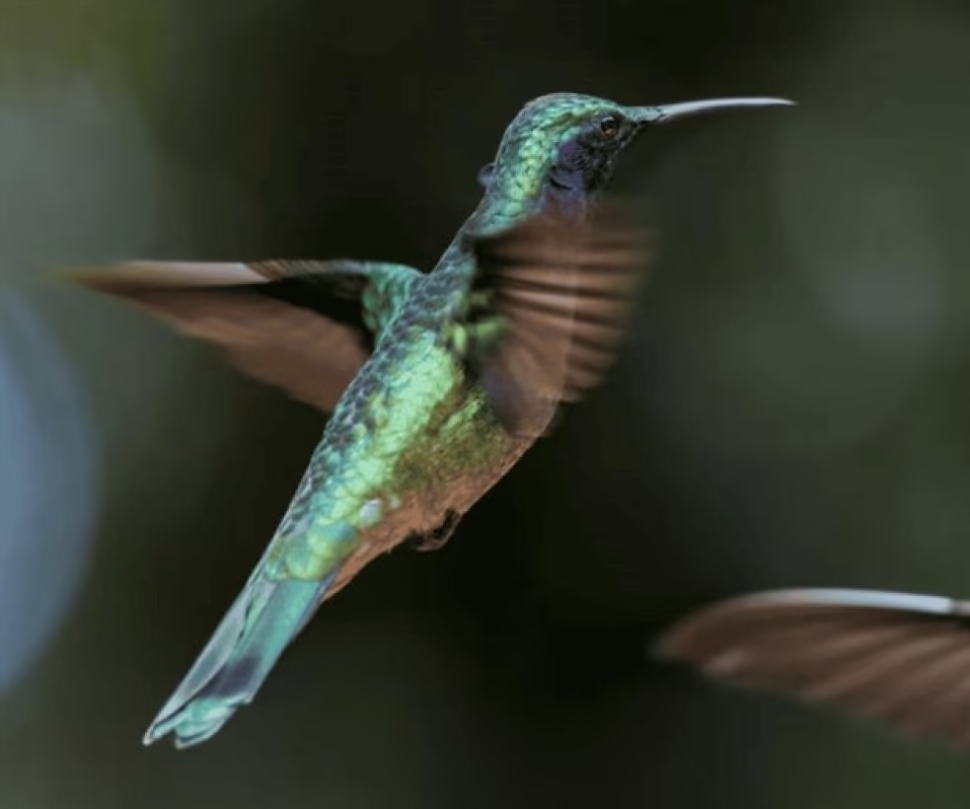
Hummingbirds, belonging to the taxonomic family Trochilidae, are one of the most fascinating birds in the animal kingdom due to their unique morphology, characterized by a tiny size, a long, thin beak adapted for suction, and iridescent plumage that reflects light in dazzling metallic colors. Their presence in an ecosystem is an indicator of environmental health and they play a crucial role as specialized pollinators. Recently, the popularity of artificial drinkers with synthetic nectars has grown exponentially on social networks. However, specialized organizations such as PROMESA warn about the severe dangers of this practice. These food substitutes frequently contain dyes made from petrochemicals, substances that are potentially carcinogenic and harmful to the physiology of these birds, whose natural diet consists exclusively of flower nectar and small insects.
Botanical Strategy for a Safe Habitat
The ethical and sustainable solution to enjoy the visit of these birds lies in the recreation of a botanical garden designed specifically to satisfy their biological needs. This approach not only eliminates the risks associated with artificial feeders, but also contributes to the conservation of the species by providing natural habitat, authentic food sources and potential nesting sites. The selection of flora should prioritize species with tubular flowers, adapted to the shape of their beak, and with a high production of nectar rich in sucrose. Seasonal planning is essential to ensure constant resource availability from early spring to late summer.
Selection of Flora by Season and Type
The Pennsylvania Horticultural Society and other botanical institutions recommend a diversified selection of plants to ensure staggered flowering. For the early spring season, ideal species include the semi-evergreen vine Bignonia capreolata ‘Dragon Lady’, which produces orange-red flowers in early May, and Carolina Jessamine (Gelsemium sempervirens ‘Daisy’), a climber with abundant bright yellow flowers. The RedBuckeye tree (Aesculus pavia), with its deep red vertical clusters, and the Aquilegia canadensis, with its distinctive red petals and yellow center, complete the initial nutritional offering for migrating hummingbirds.
For summer, diversity should increase with mid- and late-flowering species. Bee balm (Monarda didyma ‘Jacob Cline’) is a fast-spreading plant with tubular red flowers that reach 4 to 5 feet tall, and is also deer resistant. The Cardinal Flower (Lobelia cardinalis) thrives in moist soil and saturates the garden with spikes of red flowers. Other options of high ecological value are Spigelia marilandica (Indian Pink), with its red flowers with curved yellow tips, and Butterfly milkweed (Asclepias tuberosa), which in addition to feeding hummingbirds serves as an essential host plant for monarch butterflies.
To structurally enrich the garden and offer shelter, shrubs and vines should be incorporated. Southern Honeysuckle (Diervilla sessilifolia) offers tubular yellow flowers, while Flame Azaleas (Rhododendron austrinum) bloom from May to June with fragrant orange and yellow flowers. The plum-leaved azalea (Rhododendron prunifolium), which blooms in late summer with orange and red flowers, ensures that the nectar supply is maintained until the end of the season.
Creating a hummingbird sanctuary through the use of native and appropriate flora is an act of active conservation. This method not only safeguards the health of these birds by avoiding harmful dyes in artificial nectars, but also strengthens local biodiversity by integrating pollinator plants into the ecosystem. A well-planned garden becomes a vital biological corridor, demonstrating that responsible observation of wildlife is possible and necessary.
Ready to transform your outdoor space? Share this specialized guide with other nature enthusiasts on your social networks and help us promote the safe conservation of hummingbirds. Explore more content on green gardening and pollinator habitats on our website.