A high-stakes game with billions at stake
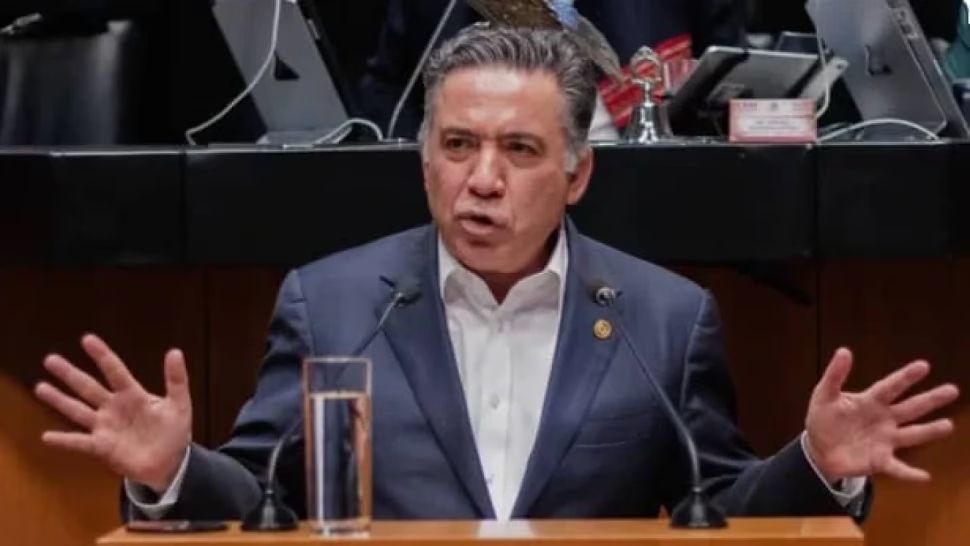
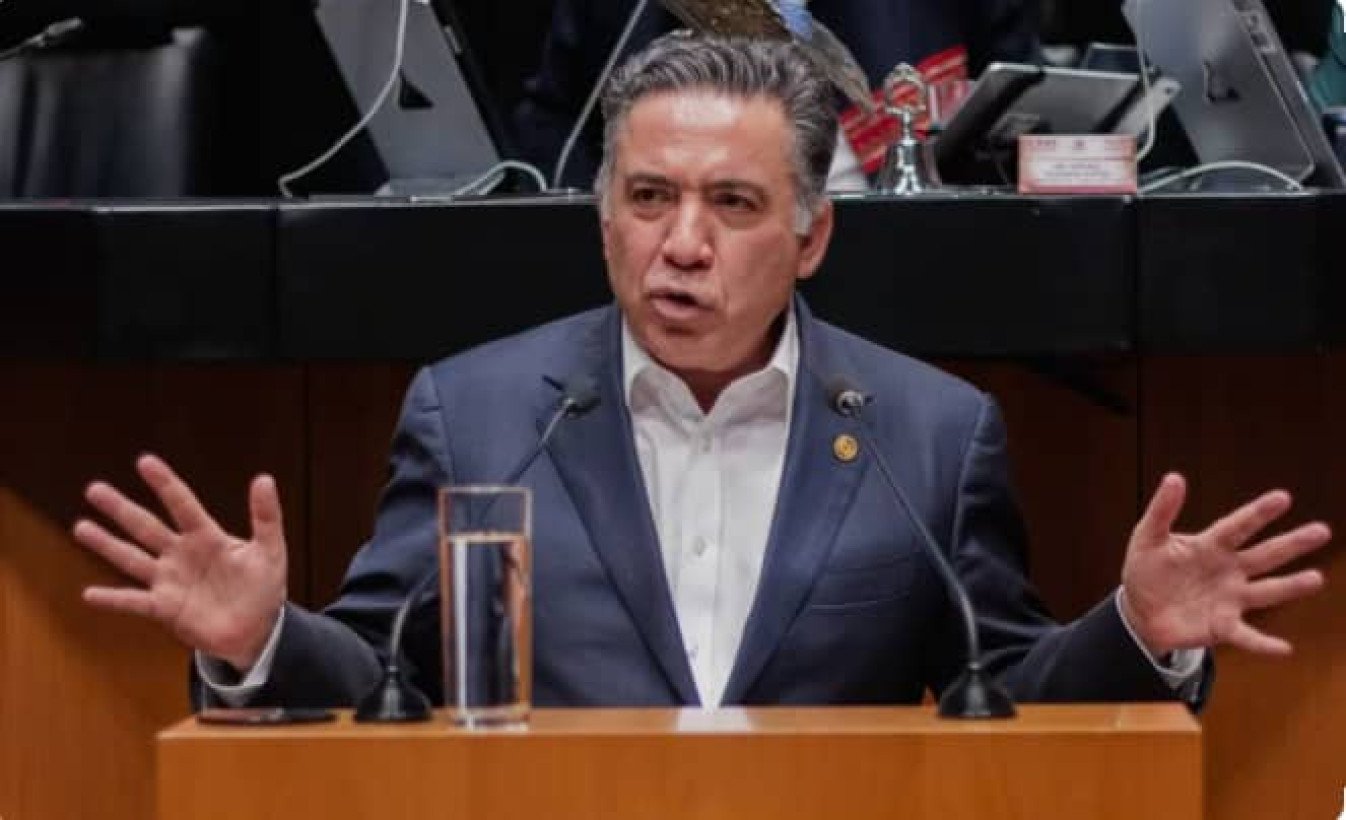
Alfonso Ramírez Cuéllar, federal representative for Morena, has just put on the table a proposal that sounds like a lot of hype: exploit unconventional hydrocarbon deposits in Mexico. But it is not just any proposal. It comes with a clear warning: either it is done with iron rules, or it is better not to do it.
The move is bold. On the one hand, it recognizes that the current Law already allows mixed investment (public-private). On the other hand, he warns that without an armored framework, the country could lose more than it gains. His speech is a precarious balance between economic opportunity and social risk.
“Mexico cannot renounce its sovereignty over resources or neglect the protection of the environment,” said the legislator.
The jackpot: 53 billion annually… with conditions
Here is the bait that will make more than one salivate. According to technical studies cited by Ramírez Cuéllar, responsible exploitation could contribute 53 billion pesos annually to the public coffers. A figure that is no small thing.
But that check comes with fine print. Very small. The deputy insists that it will only be possible if strict technical, institutional and fiscal conditions are met. It speaks of operational safety and environmental protection as non-negotiable pillars.
Their proposal includes a complete package: a new regulatory framework, strict operational requirements and rigorous protocols for water and waste management. Nothing would be left to chance.
The most interesting part comes later. Ramírez Cuéllar not only wants to control the exploitation, but also its fruits. It proposes creating audit systems and local surveillance committees where the communities themselves monitor the activity. It is giving the microphone to those who live day to day.
“Contracts must include clauses for local content and technology transfer so that communities are truly favored,” he said.
But it goes further. It proposes a special fund that redirects part of the income towards local infrastructure, training and job creation in the affected regions. He doesn’t want the money to evaporate in the central bureaucracy.
In the end, the message from the Morenoist deputy is clear: Mexico has a strategic opportunity in front of itself. It can turn hydrocarbon exploration into an engine of sustainable development… or it can repeat the mistakes of the past where communities were left out of the benefits.
The ball is now in Congress’s court. We will see if this technical and detailed proposal manages to become law, or if it remains another well-intentioned speech but without real consequences for the people.