The fall of an icon
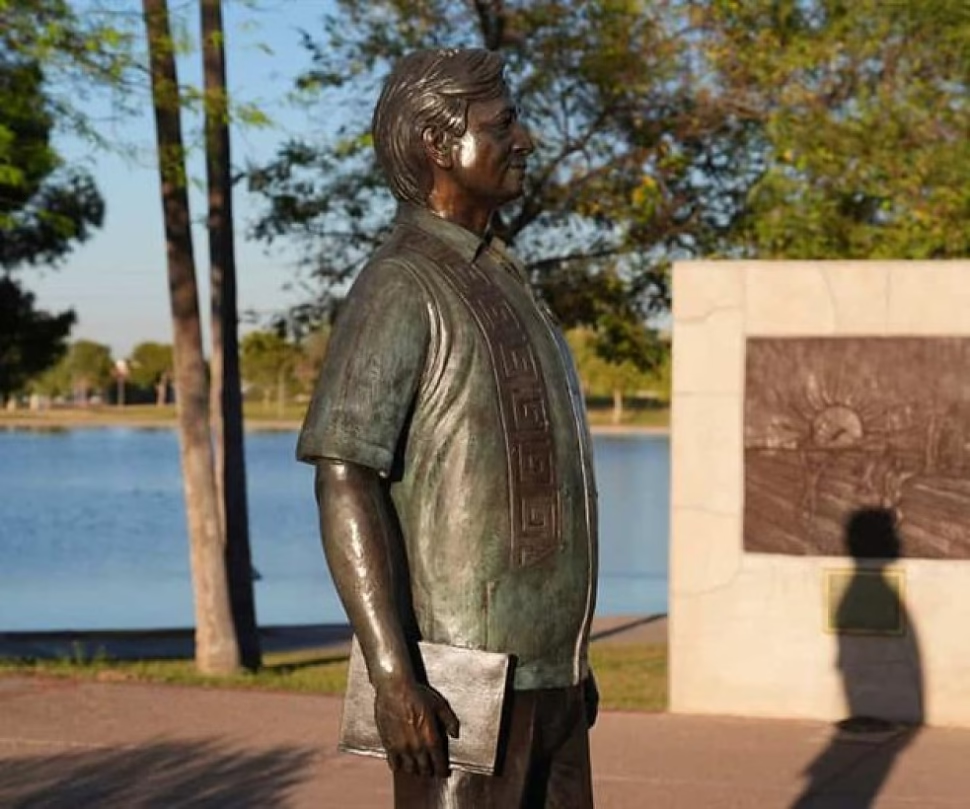
Hours after the explosive accusations, the authorities of a university in California were already acting. First they covered the statue of César Chávez with a black cloth. Then they locked her in a wooden box. Soon, they said, they will remove it completely.
Saúl Jiménez Sandoval, president of California State University, Fresno, was clear:
“The accusations demand our full attention and a moral reckoning through the removal of his statue.”
But this is just the beginning. The Associated Press identified more than 130 places in at least 19 states that bear his name. From libraries and avenues to parks and community centers. Overnight, that name became a stain.
The domino effect
In Denver, municipal workers have already removed a bronze bust. The mayor announced that the park will have a new name. In San Francisco, students ask to change the name of the student center that honors Chávez.
University student Luca Broggi Hendryx summarizes the change:
“When I started here it made perfect sense… it was almost a source of pride. But now it feels the opposite.”
Phoenix, Los Angeles, Portland, Albuquerque. Officials in all of these cities announce that they will review names of buildings, streets and schools. Phoenix Mayor Kate Gallego urges renaming César Chávez Day as Farmworkers Day.
Denver will celebrate the holiday as “Yes, We Can Day,” the cry of the movement.
The victims and the dilemmas
The New York Times reported this week that it found credible evidence that Chavez lured and sexually abused young girls working in the movement. One key revelation: Dolores Huerta, a co-founder of the syndicate and a legend in her own right, was one of its victims when she was in her early 30s.
Brian Hughes was visiting the César E. Chávez National Monument when he found out:
“Now it is difficult to reconcile the inspiring side with these revelations.”
Some ask that the places now bear the name Huerta. In Denver someone placed a handwritten sign above the park sign: “Dolores Huerta Park.”
What’s next?
Teresa Romero, president of the United Farm Workers union founded by Chávez and Huerta:
“Everyone is going to have to make their own decisions.”
The impact is massive: dozens of schools mainly in California but also in other states. Even a military cargo ship is named after him for his service in World War II.
Modifying national monuments requires action by Congress or the president. There are already precedents: during the protests after the death of George Floyd, military bases were renamed with Confederate names (although some recovered their names later).
Artist Paula Castillo questions whether we should reflect more on monuments dedicated to shared values:
“Public work is intended to make collective work visible…This allows it to continue to have meaning even when new information forces an adjustment with the past.”