The debate on gentrification and the role of influencers
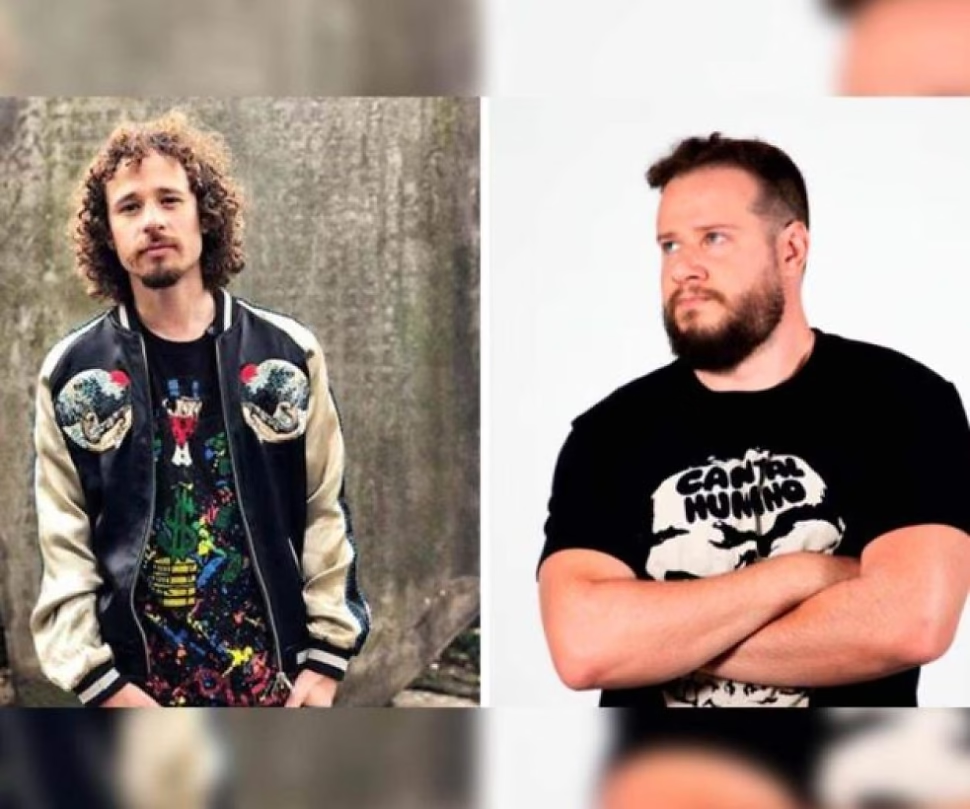
In a context where gentrification has become a critical urban phenomenon in Mexico City, the controversy between Diego Ruzzarín and Luisito Comunica has revived the debate about the responsibility of influencers in processes of social transformation. Ruzzarín, recognized for his critical stance towards economic dynamics, accused the popular YouTuber of being part of the problem by avoiding addressing the structural causes of the rising cost of life in the capital.
The march against gentrification and criticism of Luisito Comunica
On July 4, hundreds of demonstrators took to the streets to protest against the displacement of local residents and the excessive increase in housing prices, phenomena associated with gentrification. During the mobilization, public figures such as Luisito Comunica were singled out, whose tourism content and real estate investments are perceived as factors that accelerate this process. The content creator responded by defending his neutrality, arguing that his presence in the city is part of an evolving environment. However, this position was described as evasive by critics such as Ruzzarín.
In a live broadcast on July 7, the Monterrey philosopher harshly questioned the neutrality of the influencer: “He who calls himself neutral in the midst of an injustice is on the side of the oppressor.” Ruzzarín highlighted Luisito’s inconsistency in criticizing socialist systems in other countries while ignoring the impact of corporations like BlackRock on the Mexican real estate market. “If you really want to contribute, you should research how these actors operate instead of producing superficial content,” he said.
The criticism of neutrality and the call to action
Ruzzarín not only questioned the lack of depth in Luisito Comunica’s videos, but also his strategy of avoiding political positions. According to the thinker, this apparent neutrality reinforces a system that benefits a few to the detriment of vulnerable communities. “Content that doesn’t make anyone uncomfortable doesn’t change anything,” he said, underlining the need to address issues such as rent control and the regulation of platforms like Airbnb.
In addition, the analyst proposed concrete measures to mitigate gentrification, including:
- Promote popular housing with state support.
- Limit foreign investment in real estate.
- Regulate financial speculation driven by international funds.
Ruzzarín closed his speech with a forceful reflection: the problem is not tourists or digital migrants, but an economic model that prioritizes profit over social justice and cultural heritage. “The city is dying so that a few can get rich,” he warned.
Are you interested in understanding how gentrification affects your city? Share this analysis on your social networks and join the conversation about inclusive urbanism. Explore more content on urban inequality on our site.